That Time a Rocket Taught Me Everything About Perspective (And Your Brain)
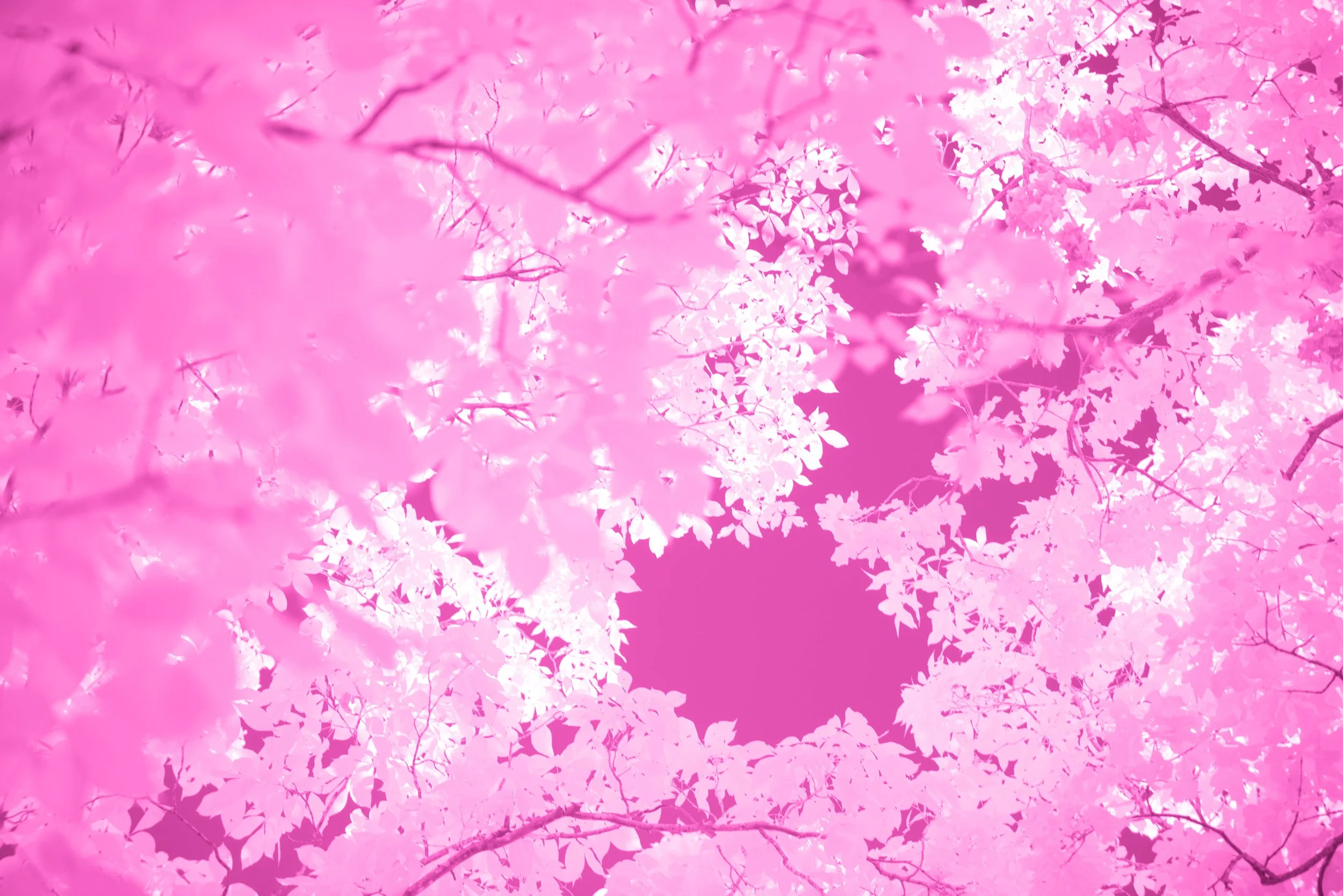
Here's a weird thing that happens in a war zone: eventually, enemy rockets become... annoying.
Not terrifying. Not panic-inducing. Just annoying.
Iraq, 2004. A few months into my deployment, I'd gone from wide-eyed adrenaline junkie to completely numb. Rockets and mortars generally came in threes—boom, boom, boom—then the enemy scattered before anyone could pinpoint them. Maybe another quick volley of three. So what was the point of grabbing gear or running to a bunker? If the first volley or two didn't get you, they were already gone.
This is a dangerous mindset. The kind that shows up in way more places than combat zones.
My brain felt like it was on fire. Frustration was my baseline. Two decades later, I can still feel those sensations in my body when I think about it.
The Step That Changed Everything
Late in that deployment, I was at my desk grinding through logistics plans in our big open office when I felt this overwhelming urge to go sit on this weird little step at the end of the room.
It went nowhere. Just a random part of the floor that was a few inches higher than everything else.
So I sat there. On the floor. Looking up at a room I'd been in a thousand times.
It felt like cool water washing over my fried brain.
Same room. Different angle. Everything shifted.
I didn't know it then, but that was the seed for all of this.
Fast-Forward to 2022
I retired from the Army with no clear plan. House-hunting across multiple states. Lots of ambiguity. But I knew I wanted to use my photography. I knew I wanted to help people experience the joy I feel when I'm in nature creating something that excites me.
I didn't want to teach f-stops and shutter speeds. That's not what matters to me.
In 2024, I stumbled into neuroscience and eco-psychology research, and suddenly I had the words for what I'd been doing intuitively for years. The science behind why shifting perspective—literally moving your body, changing what you pay attention to, experimenting with how you see—strengthens neural pathways for curiosity and perspective. Why it transfers from your camera to your life.
I'm not a scientist. I'm a nerd who's passionate about learning and making connections. I'm combining nature, photography, and neuroscience because I've seen what happens when people practice looking differently.
They start thinking differently. Feeling differently. Living differently.
Here's the Real Goal
My real goal isn't teaching photography. It's helping you build new neural pathways for questioning:
What other angle is there to see?
Why should I look at that tree differently?
What happens if I only look for blue today?
When you build these pathways in a safe, creative environment, the skill transfers everywhere. When you're confronted with a hard emotion or a situation that challenges you, maybe you slow down and ask questions with real curiosity instead of reacting.
"We don't see things as they are, we see them as we are." — Anaïs Nin
That weird little step in Iraq taught me something I'm still learning: perspective isn't just what you see. It's how you think. How you feel. How you move through the world.
Sometimes all it takes is sitting somewhere new and looking up.
Want to dive deeper into the nerdy neuroscience stuff? That's exactly what this space is for. Stick around—we're going to explore how your brain rewires itself, why nature + photography is basically a cheat code for cognitive flexibility, and what happens when you get curious enough to question everything.
Starting with that tree you walked past this morning without really seeing.